

Similes for difficult tasks give your writing instant texture and relatability by comparing hard work to vivid, familiar images. The examples below span from physical labor to mental exhaustion, each ready to drop into your essays, stories, or speeches. Use them to show struggle rather than just tell readers something is tough.
What is a simile?
A simile is a figure of speech that directly compares two different things using “like” or “as” to highlight a shared quality. Unlike a metaphor, which states that one thing is another (“time is a thief”), a simile maintains the distinction while drawing the comparison (“time passes like a thief in the night”). This slight distance makes similes feel more conversational and accessible, which is why they’re the version my students always reach for first when describing difficulty.
Similes for Physical Labor and Exhaustion
These comparisons work best when you’re describing tasks that drain the body—moving furniture, construction work, or any activity that leaves muscles aching.
“like pushing a boulder uphill” — “Cleaning out the garage felt like pushing a boulder uphill.” (relentless, Sisyphean)
Craft note: This one earns its weight through rhythm—the hard “b” and “g” sounds mimic the grunt of effort. It’s my go-to for tasks that feel endless and futile.
“as heavy as carrying water in a sieve” — “The assignment was as heavy as carrying water in a sieve.” (futile, draining)
“like dragging an anchor through mud” — “Every step in those boots was like dragging an anchor through mud.” (slow, resistant)
“as exhausting as running in quicksand” — “The meeting was as exhausting as running in quicksand.” (frustrating, energy-sapping)
“like hauling a piano up a spiral staircase” — “Moving day was like hauling a piano up a spiral staircase.” (awkward, monumental)
“as backbreaking as digging a well with a spoon” — “Data entry felt as backbreaking as digging a well with a spoon.” (tedious, absurdly difficult)
Craft note: The absurdity of the spoon makes this memorable—it’s specific enough to make readers smile while conveying genuine frustration.
“like wrestling an octopus” — “Managing three toddlers at once is like wrestling an octopus.” (chaotic, multi-directional)
“as draining as rowing against the tide” — “Convincing him was as draining as rowing against the tide.” (opposing natural forces)
“like carrying the ocean in a teacup” — “The responsibility felt like carrying the ocean in a teacup.” (overwhelming, impossibly large)
Skip “hard as nails”—it’s tired and overused. Your readers have seen it in every action movie trailer since 1995.
Similes for Mental and Emotional Strain
When the difficulty lives in your head rather than your muscles, these comparisons capture that particular flavor of exhaustion.
“like trying to hold smoke in your hands” — “Understanding quantum physics is like trying to hold smoke in your hands.” (elusive, frustrating)
“as tangled as headphones in a pocket” — “My thoughts were as tangled as headphones in a pocket.” (confused, knotted)
Craft note: Everyone has experienced this specific frustration, making it instantly relatable. The domestic image grounds abstract mental chaos.
“like solving a puzzle with missing pieces” — “The investigation was like solving a puzzle with missing pieces.” (incomplete, maddening)
“as scattered as leaves in a storm” — “Her concentration was as scattered as leaves in a storm.” (unfocused, chaotic)
“like reading a book in a language you don’t know” — “The manual was like reading a book in a language you don’t know.” (incomprehensible, alien) For more, see DIFFICULT Synonyms: 119 Similar and Opposite Words.
“as foggy as a mirror after a hot shower” — “My memory of that night is as foggy as a mirror after a hot shower.” (unclear, obscured)
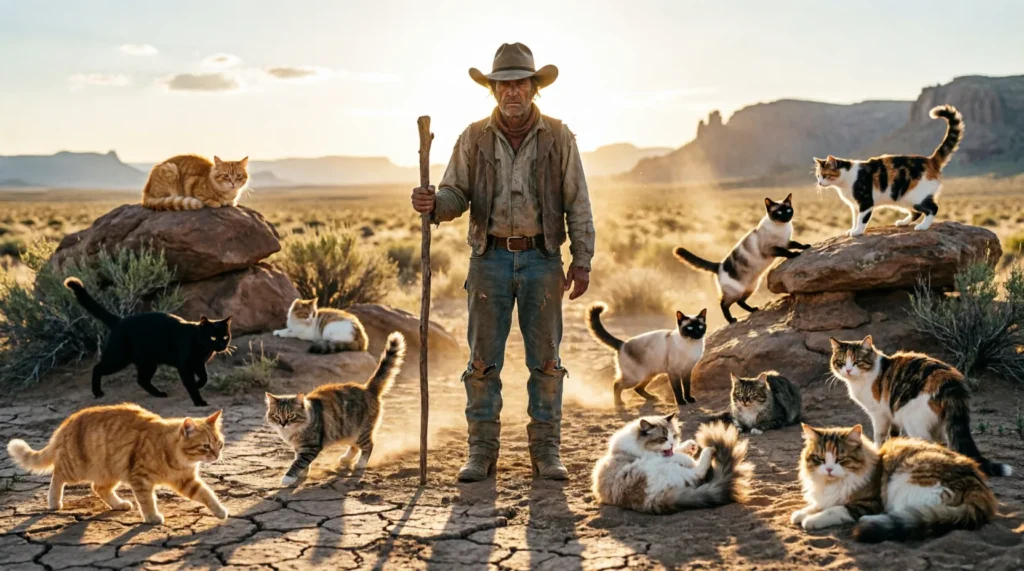
“like herding cats in a thunderstorm” — “Organizing the committee was like herding cats in a thunderstorm.” (impossible, chaotic)
This is stronger than the basic “herding cats” because the thunderstorm adds sensory detail and raises the stakes.
“as slippery as catching an eel” — “Pinning down the truth was as slippery as catching an eel.” (elusive, evasive)
“like untangling a knot blindfolded” — “Debugging the code was like untangling a knot blindfolded.” (technical, frustrating)
“difficult” has over 100 synonyms, but none capture the specific texture of mental strain like these comparisons do.
Similes for Nearly Impossible Tasks
These are your nuclear options—use them when you need to convey that success is theoretically possible but practically unlikely.
“like finding a needle in a haystack” — “Locating the error in that codebase is like finding a needle in a haystack.” (classic, widely understood)
Yes, it’s common, but it survives because it works. Don’t overthink this one.
“as likely as winning the lottery twice” — “Getting approval on the first try is as likely as winning the lottery twice.” (statistically improbable)
“like teaching a goldfish to fetch” — “Explaining sarcasm to him is like teaching a goldfish to fetch.” (futile, mismatched abilities)
“as impossible as squaring a circle” — “Reconciling those two accounts is as impossible as squaring a circle.” (mathematically impossible, ancient)
“like catching lightning in a bottle” — “Capturing that performance on video was like catching lightning in a bottle.” (fleeting, magical difficulty)
“as rare as a blue moon on a Tuesday” — “Him being on time is as rare as a blue moon on a Tuesday.” (extremely uncommon)
“like climbing a mountain made of glass” — “Advancing in that company is like climbing a mountain made of glass.” (slippery, treacherous, near-impossible)
Craft note: The glass adds an unexpected twist to the familiar mountain-climbing metaphor, suggesting both transparency and impossibility.
“as difficult as unscrambling an egg” — “Undoing that decision is as difficult as unscrambling an egg.” (irreversible, physically impossible)
“like nailing jelly to a tree” — “Getting a straight answer was like nailing jelly to a tree.” (absurd, futile)
Similes for Slow, Tedious Progress
Sometimes the problem isn’t impossibility—it’s the glacial pace that wears you down.
“like watching paint dry” — “The presentation was like watching paint dry.” (boring, slow)
This one’s a cliché, but it’s earned its place. Use sparingly.
“as slow as a three-toed sloth in molasses” — “Internet speeds were as slow as a three-toed sloth in molasses.” (humorous, exaggerated)
“like walking through waist-deep water” — “Progress on the project was like walking through waist-deep water.” (resistant, exhausting)
“as gradual as continental drift” — “The policy changes are as gradual as continental drift.” (geological slowness, barely perceptible)
“like counting grains of sand one by one” — “Auditing those records was like counting grains of sand one by one.” (meticulous, endless)
“as sluggish as a computer with dial-up” — “The approval process is as sluggish as a computer with dial-up.” (dated, frustratingly slow)
“like pushing a shopping cart with a wobbly wheel” — “Negotiations were like pushing a shopping cart with a wobbly wheel.” (irritating, inefficient) For more, see Something.
Craft note: The specificity of “wobbly wheel” makes this feel lived-in rather than generic. Everyone knows that particular annoyance.
“as inch-by-inch as a snail’s journey” — “Recovery has been as inch-by-inch as a snail’s journey.” (patient, painfully slow)
“like filling a bathtub with an eyedropper” — “Saving money on that salary is like filling a bathtub with an eyedropper.” (impossibly slow, discouraging)
Similes for Overwhelming Challenges
When the difficulty isn’t just hard but feels crushing or all-consuming, reach for these.
“like being buried under an avalanche” — “The workload hit me like being buried under an avalanche.” (sudden, suffocating)
“as overwhelming as treading water in a storm” — “Starting college was as overwhelming as treading water in a storm.” (desperate, survival-mode)
“like juggling chainsaws while riding a unicycle” — “Managing four projects at once is like juggling chainsaws while riding a unicycle.” (dangerous, absurdly complex)
“as crushing as carrying the sky” — “The grief was as crushing as carrying the sky.” (mythic, unbearable weight)
This Atlas reference works because it taps into shared cultural knowledge without being pretentious.
“like drinking from a firehose” — “The first week of training was like drinking from a firehose.” (too much, too fast)
“as suffocating as wearing a wet wool blanket” — “The bureaucracy felt as suffocating as wearing a wet wool blanket.” (heavy, inescapable)
“like being chased by a freight train” — “The deadline approached like being chased by a freight train.” (relentless, dangerous)
“as daunting as facing a firing squad” — “The job interview felt as daunting as facing a firing squad.” (terrifying, high-stakes)
How to write your own simile for something hard to do
Creating original similes is easier than you think if you follow this process:
Step 1: Identify the specific type of difficulty. Is it slow? Heavy? Confusing? Dangerous? Name it precisely.
Step 2: Brainstorm concrete images from daily life that share that quality. Don’t reach for “mountains” or “oceans” immediately—think about your actual experiences. What felt impossible last week? That stuck jar lid? The parking spot that was two inches too small?
Step 3: Connect them with “like” or “as” and test the rhythm out loud. If it sounds clunky, simplify.
Worked example: Let’s say you’re describing the difficulty of explaining technology to your grandparents.
Type of difficulty: repetitive, patient, slightly frustrating but loving
Concrete image: teaching someone to ride a bike while running alongside them
Result: “Teaching her to use email was like teaching someone to ride a bike while running alongside them—exhausting but necessary.”
Frequently Asked Questions
What makes a simile different from just saying something is difficult?
A simile creates an image in the reader’s mind rather than just stating a fact. “This is hard” tells; “this is like climbing a mountain in flip-flops” shows. The image sticks with readers longer and helps them feel the difficulty rather than just understand it intellectually.
Can I mix metaphors and similes in the same piece of writing?
Yes, but don’t do it in the same sentence or paragraph. If you write “navigating this project is like sailing through a minefield,” you’ve mixed water (sailing) with land (minefield), which confuses the image. Pick one domain and stay there for at least a few sentences.
Are clichéd similes like “hard as nails” ever acceptable?
They’re acceptable in casual conversation or dialogue where characters would naturally speak that way. In formal essays or creative writing, though, they signal lazy thinking. Your reader’s eyes will glaze over. Find a fresher comparison—even if it takes an extra minute to think of one.
How do I know if my simile is too obscure?
Read it to someone else or wait 24 hours and read it yourself with fresh eyes. If you need to explain it, it’s too obscure. The best similes for difficult tasks use images that are either universal (everyone has pushed a heavy object) or easily visualized (even if you’ve never herded cats, you can imagine the chaos).

Ashley Moore, a passionate educator with a knack for storytelling, holds a Bachelor’s degree in Creative Writing from the University of Iowa. With a career spanning over a decade, Ashley has worked extensively as a writing coach and a literature curriculum developer. Her fascination with similes and their ability to paint vivid mental images has been a driving force in her career. Ashley believes that figurative language is the bridge between mundane communication and imaginative expression. On SimileCraft, she writes in-depth guides that demystify the use of similes and metaphors in writing, empowering budding authors to tap into their creative potential. Her interactive workshops and tutorials are crafted to inspire confidence in writers of all levels, as she aims to bring the excitement of figurative language to a broader audience.