

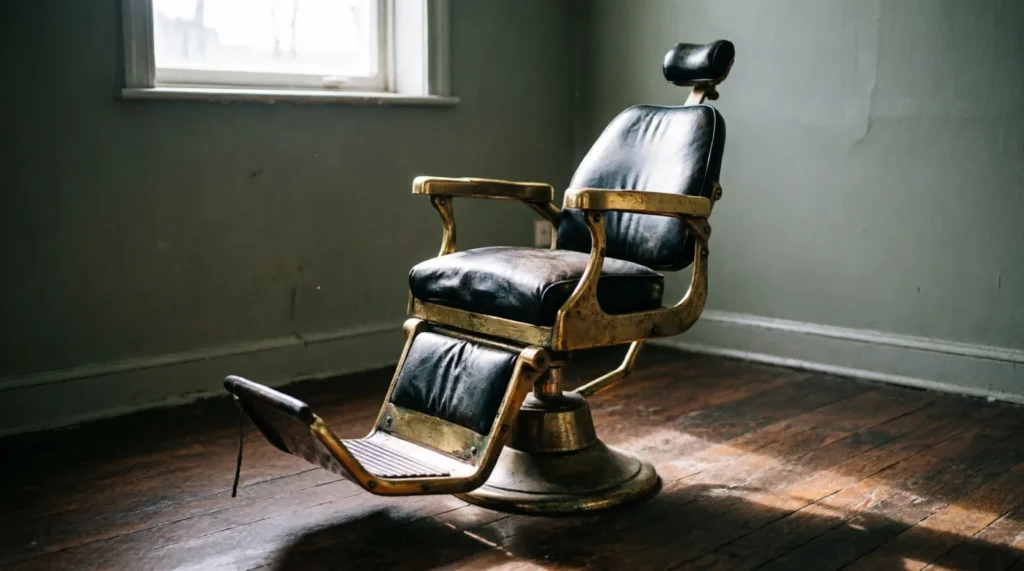
Similes for having a tooth pulled capture the unique blend of dread, sharp sensation, and absurd mechanical reality of the dental chair. A simile is a figure of speech that directly compares two different things, typically employing the words “like” or “as” to create a vivid association (Simile). Use these comparisons to ground your characters’ experiences in visceral, relatable imagery that readers can almost feel in their own jaws.
The Anticipation and Dread
The waiting room is often where the real procedure begins. The mind races, amplifying every sound and shadow. These similes capture the heavy, suspenseful atmosphere before the dentist even picks up a tool.
- “like waiting for a guillotine to drop in slow motion” — “Sitting in the sterile waiting room felt like waiting for a guillotine to drop in slow motion.” (dread-filled, suspenseful). This works because it pairs a historical, absolute finality with the agonizing stretch of modern waiting time.
- “as inevitable as a thunderstorm on a humid afternoon” — “The extraction was as inevitable as a thunderstorm on a humid afternoon.” (resigned, heavy). It conveys a sense of atmospheric pressure that cannot be avoided, only endured.
- “like a child bracing for a shot at the doctor’s office” — “He gripped the vinyl armrests like a child bracing for a shot at the doctor’s office.” (vulnerable, universal). This taps into a primal, shared memory of medical helplessness.
- “as tense as a violin string tuned one peg too high” — “My jaw felt as tense as a violin string tuned one peg too high.” (anxious, brittle). The auditory tension of a violin string perfectly mirrors the physical tightness in the jaw before the procedure begins.
- “like staring down the barrel of a very small, very sterile cannon” — “Opening my mouth felt like staring down the barrel of a very small, very sterile cannon.” (darkly humorous, exaggerated). This adds a touch of macabre comedy to the clinical setting.
- “as unavoidable as a parking ticket on a windy day” — “The appointment was as unavoidable as a parking ticket on a windy day.” (resigned, mildly annoyed). I advise skipping this one if you want pure dread; it leans too casual for serious, high-stakes scenes.
The Sharp, Sudden Sensation
When the anesthetic wears thin or the final tug arrives, the sensation is rarely just “painful.” It is specific, localized, and often shocking. These similes isolate that acute physical reality.
- “like a lightning strike trapped inside the jawbone” — “The final tug felt like a lightning strike trapped inside the jawbone.” (sharp, electrifying). This works beautifully because it pairs the internal, hidden nature of tooth pain with the sudden, violent energy of a storm.
- “as sharp as a cracked icicle snapping underfoot” — “The pressure was as sharp as a cracked icicle snapping underfoot.” (brittle, sudden). It evokes a crisp, clean break that sends a shockwave upward.
- “like a rusty nail being slowly twisted in soft wood” — “It felt like a rusty nail being slowly twisted in soft wood.” (grating, visceral). I must warn you: this is an overused cliché in horror writing. Use it only if your character is genuinely thinking in gritty, industrial terms, otherwise find a fresher comparison.
- “as sudden as a popped balloon in a quiet library” — “The release of pressure was as sudden as a popped balloon in a quiet library.” (jarring, startling). The contrast between the loud pop and the quiet environment mirrors the shock of sudden pain in a controlled room.
- “like a hot wire pressed against a raw nerve” — “The anesthetic wearing off felt like a hot wire pressed against a raw nerve.” (burning, acute). This is the strongest simile for describing the transition from numbness to agony.
- “as precise and unforgiving as a pair of wire cutters” — “The dentist’s grip was as precise and unforgiving as a pair of wire cutters.” (clinical, cold). It strips away any false sense of medical elegance, replacing it with blunt utility.
The Slow, Grinding Passage of Time
Pain distorts time. A five-minute extraction can feel like an epoch. These similes help you stretch the narrative clock to match your character’s subjective experience.
- “like watching paint dry while sitting on a bed of nails” — “The procedure dragged on like watching paint dry while sitting on a bed of nails.” (agonizingly slow, uncomfortable). It combines profound boredom with acute physical distress.
- “as slow as a glacier carving through a mountain” — “The extraction progressed as slow as a glacier carving through a mountain.” (monumental, grinding). This emphasizes the immense, unstoppable force being applied over a long duration.
- “like an hourglass filled with wet sand” — “Time in the dental chair moved like an hourglass filled with wet sand.” (sluggish, resistant). Adding “wet” to the sand creates a tactile, heavy quality that regular sand lacks, emphasizing the dragging weight of the moment.
- “as endless as a Sunday afternoon with no electricity” — “The waiting felt as endless as a Sunday afternoon with no electricity.” (bored, restless). This grounds the medical experience in a relatable, mundane frustration.
- “like a record skipping on the most painful note” — “The minutes stretched like a record skipping on the most painful note.” (repetitive, agonizing). It captures the cyclical, trapped feeling of being stuck in a single moment of discomfort.
- “as drawn out as a farewell at a train station” — “The final moments were as drawn out as a farewell at a train station.” (lingering, reluctant). This adds an emotional layer of separation to the physical act of removal.
The Mechanical and Absurd Reality
Dentistry is inherently strange. We lie back, open our mouths, and allow someone to use power tools and pliers inside our heads. These similes lean into the bizarre, unglamorous mechanics of the act.
- “like a mechanic extracting a stubborn spark plug” — “The dentist worked like a mechanic extracting a stubborn spark plug.” (practical, unglamorous). This simile grounds the medical procedure in blue-collar reality, which is often the most accurate way to describe a difficult molar removal.
- “as awkward as trying to remove a cork with a screwdriver” — “The whole process felt as awkward as trying to remove a cork with a screwdriver.” (clumsy, improvised). It highlights the lack of grace when anatomy fights back.
- “like a gardener uprooting a deeply entrenched weed” — “Pulling the molar was like a gardener uprooting a deeply entrenched weed.” (forceful, rooted). This is the version my students always reach for first, and for good reason: it perfectly captures the resistance of long, multi-pronged roots.
- “as strange as hearing your own voice on a recording” — “The sound of the extraction was as strange as hearing your own voice on a recording.” (uncanny, dissociative). It describes the bizarre internal acoustics of having work done on your own skull.
- “like a carpenter prying a nailed-down floorboard” — “The pressure applied felt like a carpenter prying a nailed-down floorboard.” (leverage, resistance). This focuses on the physics of the extraction rather than the pain.
- “as bizarre as watching a car being dismantled in reverse” — “Lying there felt as bizarre as watching a car being dismantled in reverse.” (surreal, passive). It emphasizes the patient’s total lack of control over the situation.
The Aftermath and Lingering Relief
The procedure ends, but the experience does not. The grammatical concept of having denotes a state of possession or experience. When a character is having a tooth pulled, they undergo a sudden transition from possession to loss, making the physical void feel as hollow as a house after the movers have left. These similes capture that strange new reality.
- “like a storm finally breaking after weeks of humidity” — “When it was over, the relief was like a storm finally breaking after weeks of humidity.” (cathartic, releasing). It conveys the sudden drop in atmospheric and physical pressure.
- “as hollow as a house after the movers have left” — “My mouth felt as hollow as a house after the movers have left.” (empty, strangely quiet). The emotional weight of “movers leaving” perfectly captures the phantom presence of the missing tooth.
- “like taking off a pair of shoes that were two sizes too small” — “The end of the appointment felt like taking off a pair of shoes that were two sizes too small.” (immediate, physical relief). This is a highly effective, universal sensory comparison for the cessation of chronic pressure.
- “as tender as a bruised peach” — “My gum was as tender as a bruised peach.” (delicate, easily damaged). It warns the reader (and the character) to handle the area with extreme care.
- “like the quiet after a loud concert ends” — “The absence of pain was like the quiet after a loud concert ends.” (ringing, profound). It acknowledges that the silence left behind is still vibrating with the memory of the noise.
- “as fragile as a freshly hatched bird” — “I handled my jaw as if it were as fragile as a freshly hatched bird.” (protective, cautious). This emphasizes the sudden vulnerability of the character post-procedure.
How to write your own “having a tooth pulled” simile
Crafting a fresh comparison requires moving beyond generic pain descriptors. Follow these three steps to build your own.
First, isolate the specific sensation. Do not just say “it hurt.” Decide if you are describing the dread, the sharp pressure, the grinding time, or the hollow aftermath.
Second, map that sensation to an unrelated but sensory-rich domain. Think about mechanics, weather, domestic life, or nature. The greater the distance between the two subjects, the more striking the simile will be.
Third, test the rhythm. Read the sentence aloud. A good simile should have a natural cadence that does not trip up the reader.
Worked Example: Weak: The dentist pulled the tooth and it hurt a lot. Strong: The pressure built like a rusted bolt refusing to turn, until finally, it gave way with a sickening, wet pop.
Frequently Asked Questions
What makes a tooth-pulling simile effective?
An effective simile targets a specific sensory detail, such as sound, pressure, or the distortion of time, rather than relying on a generic statement about pain. It grounds the abstract feeling in a concrete, relatable image.
Should I use clichés like “hurt like hell”?
No. Clichés numb the reader and signal lazy writing. Opt for fresh, specific comparisons like “like a rusty nail being slowly twisted” to maintain the reader’s engagement and empathy.
Can similes for having a tooth pulled be funny?
Yes, dark humor works exceptionally well in these scenes. Comparing the dentist to a mechanic extracting a stubborn spark plug adds a relatable, unglamorous levity that can break the tension for the reader.
How many similes should I use in a single scene?
Use one, maybe two. Overloading a single paragraph with multiple figurative comparisons dilutes the impact of each one and makes the prose feel purple and overwritten. Choose the single strongest image and let it do the work.

Brandon Robinson is a literary enthusiast and seasoned editor with a deep-rooted passion for figurative language and its transformative power in storytelling. He completed his Ph.D. in Linguistics from the University of Chicago, specializing in the cognitive impact of metaphors and similes in narrative construction. With over 18 years in the publishing industry, Brandon has helped shape numerous literary works by providing his expertise in metaphorical nuance and creative expression. His journey into the world of similes began when a high school poetry class opened his eyes to the elegance of figurative comparisons. At SimileCraft, Brandon writes thought-provoking essays that explore the cognitive science behind similes, while also curating content that inspires writers to use these tools more effectively. His pieces are a blend of scholarly insight and practical advice, tailored for an audience eager to deepen their literary skills.