

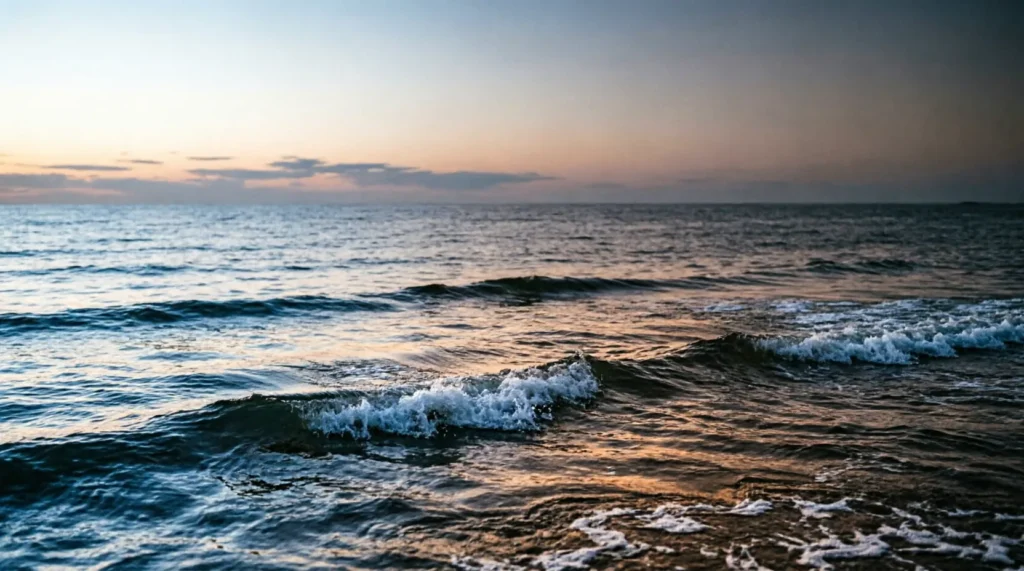
When writers search for what is a metaphor for the ocean, they are usually seeking language that captures the sea’s vast, unpredictable, and deeply emotional nature. While a direct metaphor equates the ocean to something else entirely, similes offer a flexible, vivid alternative using “like” or “as.” The categorized examples below will give you ready-to-use figurative language to anchor your descriptions of the sea in any creative writing project.
What Is a Simile?
A simile is a figure of speech that directly compares two different things using the words “like” or “as.” According to the Wikipedia article on Metaphor, a metaphor asserts that one thing is another thing for rhetorical effect, whereas a simile maintains the comparison explicitly. For instance, stating “the ocean is a restless beast” functions as a metaphor, while writing “the ocean roared like a restless beast” creates a simile. Both devices are powerful, but similes often provide a safer, more measured bridge for readers to cross into your imagery without breaking the literal reality of the scene.
Similes for the Ocean’s Power and Fury
- “as relentless as a siege engine” — “The waves battered the cliffside as relentless as a siege engine.” (ominous, relentless). Craft note: The hard consonant sounds mimic the grinding impact of water against stone, creating a subconscious auditory link for the reader.
- “like a hungry wolf” — “The tide pulled the sand from beneath her feet like a hungry wolf.” (threatening, primal).
- “as chaotic as a riot” — “The storm churned the bay, making the water as chaotic as a riot.” (turbulent, overwhelming).
- “like a slammed door” — “The rogue wave hit the seawall like a slammed door.” (sudden, violent). Craft note: This works because it translates a massive natural force into a sharp, familiar domestic sound.
- “as unforgiving as iron” — “The winter sea was as unforgiving as iron to the stranded sailors.” (harsh, cold).
- “like a wild stallion” — “The whitecaps reared up like a wild stallion.” (This one is a tired cliché; skip it in serious literary work and opt for something more specific to your setting).
- “as deafening as a freight train” — “The crashing surf was as deafening as a freight train.” (loud, imposing).
Similes for the Ocean’s Calm and Serenity
- “as smooth as polished glass” — “The morning bay lay as smooth as polished glass.” (peaceful, reflective).
- “like a sleeping giant” — “The harbor was quiet, the water resting like a sleeping giant.” (tranquil, latent power). Craft note: This simile builds subtle tension by reminding the reader that the calm is temporary.
- “as gentle as a lullaby” — “The waves lapped against the hull as gentle as a lullaby.” (soothing, rhythmic).
- “like a blue velvet curtain” — “The horizon stretched out like a blue velvet curtain.” (soft, luxurious).
- “as clear as a mountain spring” — “The shallows were as clear as a mountain spring.” (pure, inviting).
- “like a held breath” — “The water before the dawn was still, like a held breath.” (suspended, anticipatory). Craft note: The brevity of this comparison creates a palpable pause in the reader’s mind.
Similes for the Ocean’s Mystery and Depth
- “as unknowable as a locked diary” — “The deep trench remained as unknowable as a locked diary.” (secretive, intriguing).
- “like a forgotten memory” — “The shipwreck faded into the gloom like a forgotten memory.” (melancholic, distant).
- “as vast as the night sky” — “Looking down into the abyss felt as vast as the night sky.” (awe-inspiring, humbling).
- “like a shadowed cathedral” — “The kelp forest stood like a shadowed cathedral.” (reverent, eerie). Craft note: Comparing underwater flora to architecture instantly gives the scene scale and solemnity.
- “as silent as a tomb” — “The ocean floor was as silent as a tomb.” (eerie, absolute).
- “like a riddle without an answer” — “The shifting currents moved like a riddle without an answer.” (puzzling, fluid).
Similes for the Ocean’s Color and Light
- “as bright as shattered sapphires” — “The midday water sparkled as bright as shattered sapphires.” (vivid, dazzling).
- “like liquid copper” — “The sunset turned the waves like liquid copper.” (warm, metallic). Craft note: This is the version my students always reach for first when describing dusk, because it captures both the color and the heavy, rolling movement of the water.
- “as dark as brewed coffee” — “The storm clouds made the sea as dark as brewed coffee.” (murky, ominous).
- “like a field of crushed diamonds” — “The wake glittered like a field of crushed diamonds.” (expensive, sharp). (Note: this is a bit cliché, so use it sparingly and only if the character is meant to sound materialistic).
- “as pale as seafoam” — “Her skin was as pale as seafoam after the long winter.” (delicate, natural).
- “like a bruised plum” — “The water before the hurricane looked like a bruised plum.” (unsettling, vivid).
How to Write Your Own Ocean Simile
Crafting a memorable simile takes more than just grabbing the first comparison that comes to mind. It requires intentionality and a keen ear for rhythm. Follow these three steps to build figurative language that actually resonates with your reader.
First, isolate the specific trait of the ocean you want to highlight. Is it the sound, the temperature, the color, or the movement? A vague description will always yield a vague comparison.
Second, brainstorm objects or experiences in your character’s immediate world that share that exact trait. A seasoned fisherman will compare the sea to entirely different things than a landlocked tourist encountering the coast for the first time.
Third, test the comparison for sensory overlap. Does it engage sight, sound, or touch? The best similes activate multiple senses at once.
Worked Example: Let’s say you want to describe the sound of gentle waves at night. Trait: rhythmic, soft, repetitive. Character’s world: an old, quiet house. Sensory overlap: sound and touch. Result: “The waves whispered against the shore like a grandmother rocking in a creaking chair.” This grounds the massive, impersonal ocean in an intimate, human experience, making the description instantly relatable.
Frequently Asked Questions
What is the most common metaphor for the ocean? The ocean is most commonly metaphorized as a mother, a wild beast, or a mirror. While these are recognizable, they are frequently overused in amateur writing. Try twisting them to add fresh tension to your prose, such as calling the ocean a “stepmother” or a “fractured mirror,” to subvert reader expectations.
Can a simile be used in formal academic writing about the ocean? Yes, but sparingly and with clear purpose. According to the Wikipedia entry on the Ocean, the ocean is a complex, interconnected global system that regulates climate and supports biodiversity. In scientific or academic writing, figurative language should clarify a complex concept (e.g., “ocean currents act like a global conveyor belt”) rather than merely decorate the prose.
How do I know if my ocean simile is a cliché? If you have heard the comparison in a popular song, a movie, or a greeting card, it is almost certainly a cliché. Phrases like “as deep as the ocean” or “waves like mountains” are tired and should be avoided. Push for specificity by comparing the ocean to something uniquely relevant to your scene’s mood or your character’s specific background.
What is the difference between a metaphor and a simile for the sea? A metaphor states the sea is something else (“The ocean is a hungry thief”), while a simile states the sea is like or as something else (“The ocean took the shore like a hungry thief”). Similes are generally safer for maintaining literal clarity in a narrative, while metaphors deliver a stronger, more immediate emotional punch.

William Garcia is a distinguished linguist with over 15 years of experience in the realm of literary arts and education. With a Master’s degree in English Literature from Columbia University, William has dedicated his career to unraveling the beauty of language, particularly focusing on similes and figurative expressions. He discovered his passion for this field during his undergraduate studies when a professor’s insightful analysis of Shakespeare’s use of metaphors sparked his interest. William has since authored numerous articles exploring the depth and impact of figurative language in classic and contemporary texts. At SimileCraft, William combines his academic rigor with a passion for teaching, creating engaging content that helps both new learners and seasoned writers enhance their understanding of metaphorical language. His analytical pieces often delve into the historical progression of similes and their influence on modern literature.